1 Pro Environmental logo
1 Pro EnvironmentalTipton, Indiana
24/7(800) 310-5283

Spill response and remediation

We send three people to a three-person spill.

Fuel, oil, grease, acids, milk, PFOS, old chemicals nobody wants to touch. We pick up at 3:45 in the morning and on holidays, show up with the right size crew, and walk you through the cleanup, the insurance and the state step by step, anywhere in Indiana, Illinois, Ohio, Kentucky or Michigan.

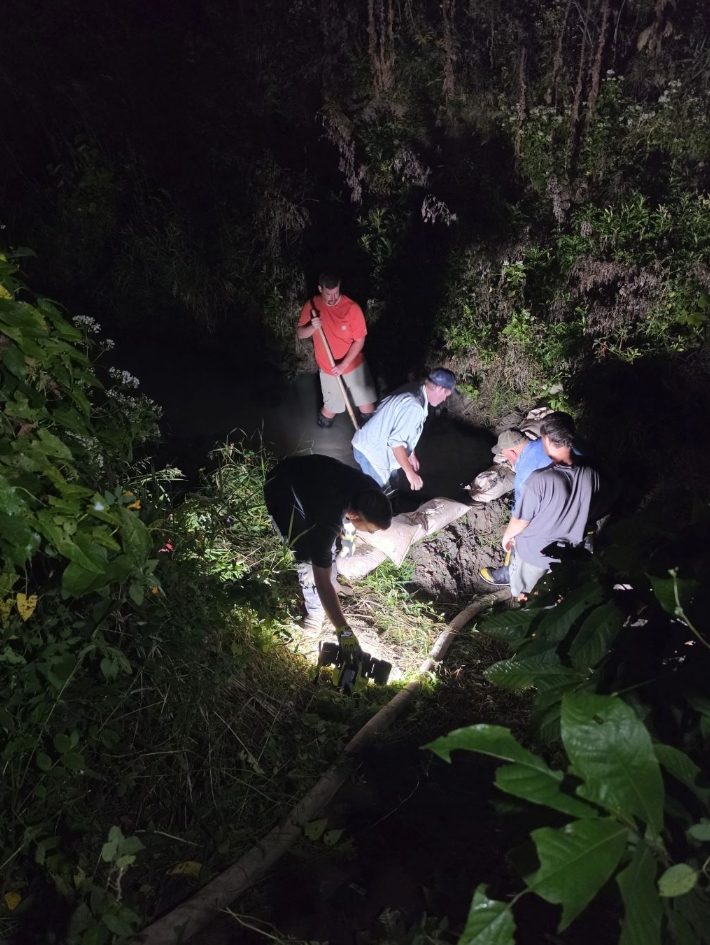
Crew working at night in a creek bed after a milk tanker crash
Night response, 7,000-gallon milk tanker

Case file: holiday truck fire

From a 3:45 AM call to a clean lot by 4 PM

A truck fire dumped fuel and engine oil across a fast-food parking lot and into the storm drain. It was a holiday and 95 degrees out. Six contractors had already been called. Here is how the day went.

  1. The trucking company calls. We help them check their insurance for a broker.
  2. The city emergency manager has been on scene 8 hours. We offer to help open the road at no charge.
  3. The insurance route stalls. The company asks us to take the job.
  4. Crew and trailer loaded at the shop.
  5. On site. Containment, cleanup and the storm drain.
  6. Done. The customer and the state both signed off.

The company had been burned by an out-of-state spill contractor two years earlier, so this time they wanted someone they could trust. Alan promised to walk them through every step, and he did.

It was a simple job. Simple jobs still deserve a fast answer, a fair bill and a crew that actually shows up.

It's the notion that when they call, we will come, and not bring all the recovery fees and security fees and this fee and that fee. We will not bring 10 trucks to a 3-man spill. Alan Perry
What we clean up

Spills we've handled

Every one of these is a real job from the last two seasons. Where a material has a DOT hazard class, it's listed, because that decides how it's handled, shipped and disposed of.

MaterialWhere it happenedDOT classWhat we did
Diesel fuel and engine oilafter a truck fireRestaurant parking lot and storm drainUN1202 · Class 3Contained, absorbed and cleaned the lot and drain the same afternoon
Nitric acid, 65 to 70%350-gallon tote dropped from a forkliftChemical plant, northern IndianaUN2031 · Class 8Took over from the fire department's hazmat team and cleaned up the yard and impacted soil
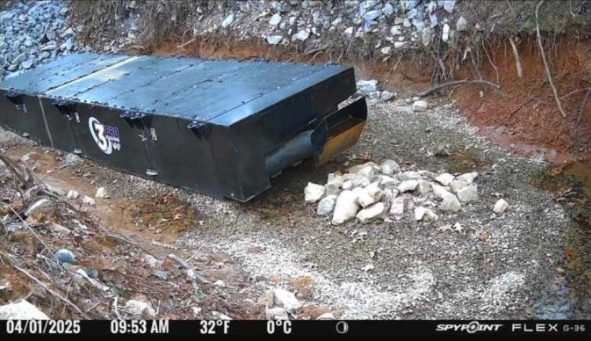
PFOS-impacted watera “forever chemical” in the PFAS familyCreekNot DOT regulatedDesigned and installed a custom filter system, monitored by trail cameras since 2024
Impacted ditch soil, 1,200 yd³Industrial siteVariesExcavated around fixed steel and an unmapped 8-inch drain, 40+ dumpsters hauled
Fuel from a buried tankhit during a house demolitionTown demolition siteClass 3Dug out the leaking tank and contaminated soil after the town contained it
Greasehidden in a sublevel voidDowntown hospitalNot regulatedVacuumed out through 300 ft of hose without disrupting patient care
Oily waterWarehouse sub-basement pitNot regulatedPumped out and cleaned the pit
Used automotive fluidsdumped illegally for monthsRental property, neighbor lot and storm drainsVariesAssessment and remediation for the owner's attorney and the health department
Milk, 7,000 gallonsTanker crash into a culvert and creekNot regulatedOvernight containment in the creek bed with the local fire department
Contaminated waterin an elevator pitHospitalNot regulatedCleaned the pit and pulled the sump pump for replacement
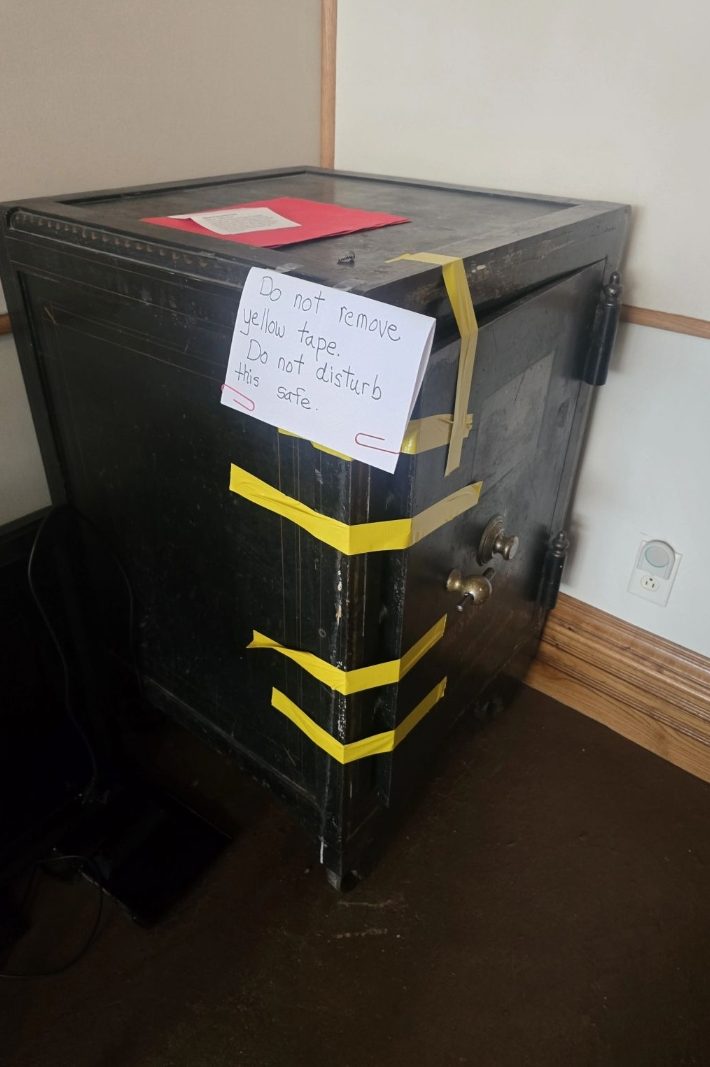
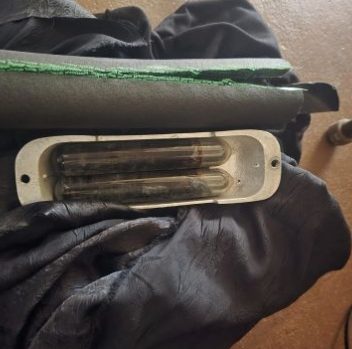
Legacy chemical deviceAntique safeVariesRemoved the anti-tamper device and sent it for proper disposal
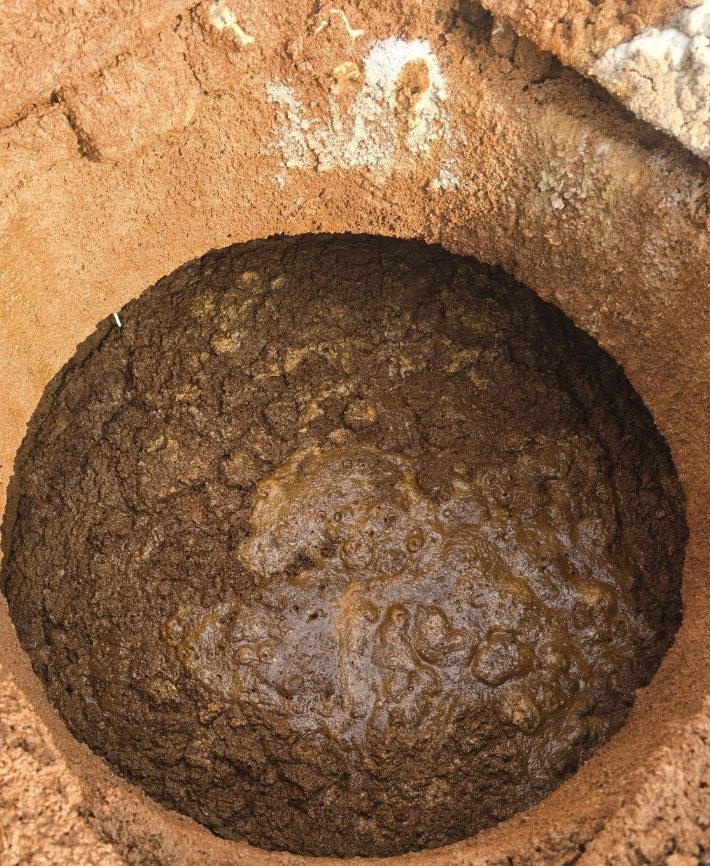
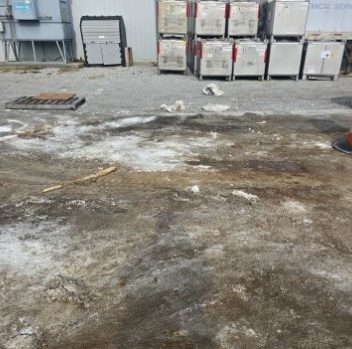
Excavated hole showing acid-impacted soil Plant yard with stacked chemical totes after the spill

Case file: chemical plant, fall 2025

350 gallons of nitric acid on the ground

A stainless steel tote of 65 to 70% nitric acid fell off a forklift at a chemical plant up north. The local fire department's hazmat team did a great job containing it until we got there. Jeremy Heath of Willow Creek Environmental jumped in to help with the cleanup.

Alan spent hours on scene with the fire chief, the county emergency management agency, city services and the water department. 1 Pro has been on that county's emergency response list for years.

350gallon tote
65 to 70%nitric acid
Class 8corrosive, UN2031
Trail camera image of the PFOS filter unit in the creek, stamped 04/01/2025, 32 degrees F

Case file: PFOS in a creek

A filter we designed, watched by trail cams

PFOS is one of the PFAS "forever chemicals," and there's no off-the-shelf fix for getting it out of moving water. In summer 2024 Alan built a new style of filter system to strip PFOS out of a creek.

Because the design was new, he wanted real-time data on how it performed. Instead of an expensive monitoring setup, he installed trail cameras. They send alerts when it rains, so he can watch the flows change. Months of that data taught us a lot about fighting PFOS.

8+months of camera data
Lowcost: a few dollars a day to run
24/7rain alerts and flow checks

Case file: downtown hospital

The hard part wasn't the grease

Staff at one of the largest hospitals downtown had been complaining about a terrible smell for weeks. Maintenance couldn't find it. A facility coordinator finally had the sublevel checked and found a large grease spill in a remote void deep under the building.

The grease was easy. Reaching it wasn't. The closest a vac truck could park was a parking garage about 300 feet away, so the hose had to run through the main atrium. Alan worked out a plan with the project manager that got the job done without getting in the way of patients or doctors.

Hose route from the parking garage to the sublevel void Parking garage VAC TRUCK Hospital MAIN ATRIUM SUBLEVEL GREASE ~300 FT OF HOSE CUT FLOOR OPENING

How we work

What you get when you call

A crew sized to the job

No fleet of trucks for a small spill. The crew and equipment match what's on the ground, so the bill does too.

We will not bring 10 trucks to a 3-man spill.

We answer, day or night

3:45 in the morning, a holiday, 95 degrees. Big responders can take hours to staff a small job. We pick up and come.

When they call, we will come.

Step by step, start to finish

Insurance, brokers, the state, the health department. We explain each step and handle the paperwork with you, so a bad day doesn't get worse.

The guy to call when you don't know who to call.
Antique safe taped shut with a do not disturb note Old chemical anti-tamper device removed from the safe

Case file: the antique safe

Some jobs come with a history lesson

An old safe was taped shut with a note: do not disturb. Inside was a chemical anti-tamper device, a booby trap that safe makers once used to stop safe crackers. We removed it and sent it for proper disposal. Afterward the caretaker showed us an old newspaper article explaining how these devices worked.

Unusual hazards are part of the job. If you've found something and aren't sure what it is, don't open it. Call us.

Have a spill right now?

The first hour

What to do before we get there.

  1. Get people safeMove everyone away. If there's fire, injury or a strong odor, call 911 first.
  2. Stop the sourceOnly if it's safe: close a valve, upright a container, shut off a pump.
  3. Protect the drainsCover storm drains and block ditches with whatever you have: absorbent, sand, dirt, a tarp.
  4. Call usDay or night: (800) 310-5283. We can talk to your insurance company for you.
  5. Report itIndiana spills go to IDEM at (888) 233-7745. Federal: National Response Center, (800) 424-8802. Lines for IL, OH, KY and MI. We'll help you file.

Who calls us

The lone trucking company, the hospital, the homeowner

You don't need a national account to get a fast response. These are the people we help most.

Trucking companies Hospitals and facility managers Automotive and manufacturing plants Warehouses Landlords and their attorneys Farms Fire departments and emergency managers Homeowners